The Element of Living. Made in Alberta.

What is Home Hydrogen?
With funding from Alberta Innovates and Natural Resources Canada (NRCan), Qualico and ATCO explored the potential of hydrogen in residential heating through a hydrogen-heated home pilot project. The HomeOne project in Sherwood Park played an important role in this progress. By safely operating on 100% hydrogen fuel, the home demonstrated that this energy source is both technically feasible and safe in a real residential environment. It provided government and industry with a practical, Alberta‑based proof of concept. While pure hydrogen for residential heating remains an aspirational and technically viable pathway, it will require further government assurance, and regulatory clarity before it can advance.
In the absence of having the regulatory approvals needed to support the deployment of a pure hydrogen community, Qualico’s message to government remains consistent and constructive: “Ready when you are.”
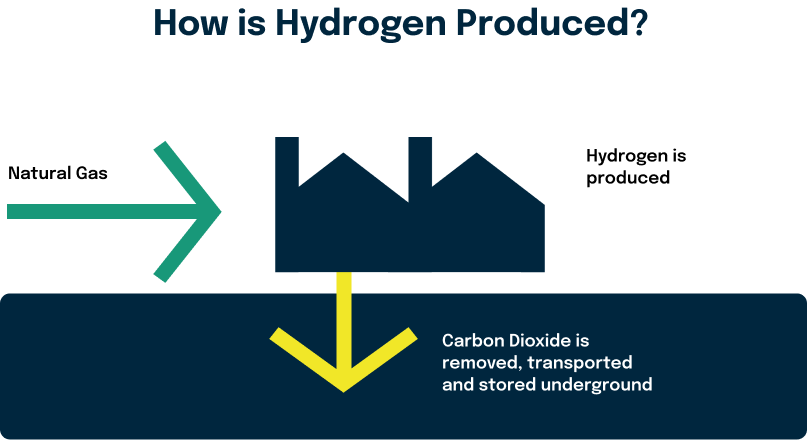
Alberta has the capacity to convert natural gas into hydrogen, capture the emissions associated with that process, put those emissions back in the ground where the natural gas was extracted, and eliminate the emissions created by burning natural gas for heat.
How is Hydrogen Different?
From a homeowner’s perspective, the only difference between Home Hydrogen and natural gas is the appliance installed in their furnace room. Hydrogen heating is even safer than natural gas heating and just as reliable.
The big difference is that burning natural gas creates greenhouse gas emissions, and burning hydrogen only creates water. Hydrogen is the most reliable, affordable, and attainable path to lower carbon living in Alberta, and there is significant economic opportunity for Albertans in producing hydrogen and hydrogen-related technologies like home appliances.
Electricity can be a reliable heating source for much of the year, but electricity production in Alberta can be carbon intensive when heating demands are high. Electric heating becomes unreliable during the coldest months of winter when electric heating demands far surpass Alberta’s electrical grid’s capacity. Hydrogen production coupled with carbon capture (CCS) offers an almost zero- emission heating fuel without compromising reliability or safety.”